Click the image to continue
Oral health is closely linked to overall health. Gum disease has been associated with conditions such as heart disease and diabetes, and untreated tooth problems can cause pain, infection and costly treatment later. A good dental clinic helps prevent problems and catch them early. This guide explains how to choose a dentist and what to expect at routine visits.
How to Choose a Good Dental Clinic
1. Check Qualifications and Registration
Make sure the dentist is registered with the national dental council or regulatory body in your country. Specialists, such as orthodontists or oral surgeons, should have recognised specialist training.
2. Look at Hygiene and Safety
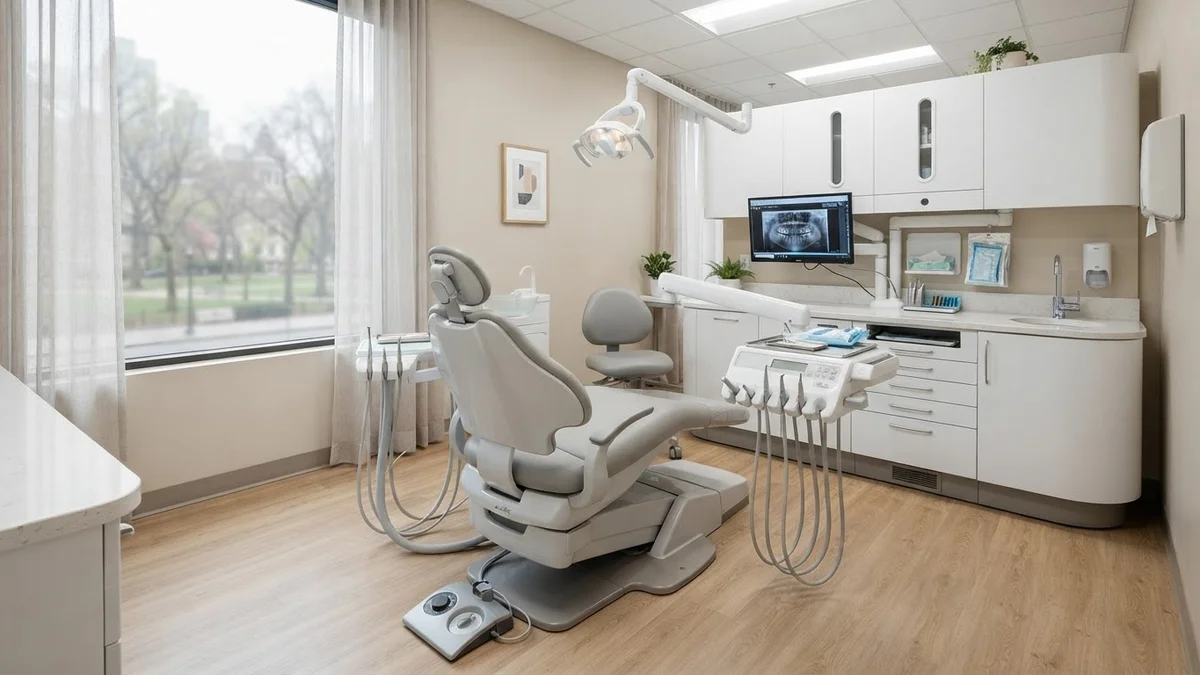
The clinic should look clean and organised. Instruments should be sterilised or single-use, and staff should wear gloves and masks during treatment.
3. Consider Services Offered
Some clinics provide general dentistry only, while others offer orthodontics, implants, root canal treatment, children’s dentistry and cosmetic services under one roof.
4. Ask About Costs Up Front
Ask for a written treatment plan with prices before any major work. Check what your dental insurance covers.
5. Location and Hours
Choose a clinic that is easy to reach and offers appointments that fit your schedule. Ask whether they handle dental emergencies.
6. Communication
A good dentist explains your options clearly, shows you X-rays and does not pressure you into unnecessary treatment.
What Happens at a Routine Dental Check-Up?
- Medical history update: Tell the dentist about new health conditions, medicines and pregnancy.
- Examination: The dentist checks your teeth, gums, tongue, cheeks and jaw.
- X-rays: Taken when needed to look for decay between teeth, bone problems or hidden issues.
- Cleaning: A dentist or hygienist removes plaque and tartar and polishes your teeth.
- Advice: You may receive tips on brushing, flossing, diet and habits like smoking.
- Treatment plan: If problems are found, the dentist explains options and next steps.
How Often Should You Visit?
Many people are advised to have a check-up every six to twelve months, but the right interval depends on your oral health and risk. People with gum disease, a high risk of decay or certain medical conditions may need more frequent visits. Your dentist will recommend what is right for you.
Common Dental Treatments
| Treatment | Purpose |
|---|---|
| Filling | Repairs a tooth damaged by decay |
| Root canal treatment | Treats infection inside the tooth |
| Crown | Covers and protects a weakened tooth |
| Extraction | Removes a tooth that cannot be saved |
| Dental implant | Replaces a missing tooth with an artificial root and crown |
| Scaling and root planing | Deep cleaning for gum disease |
| Orthodontics | Straightens teeth with braces or aligners |
Daily Habits for Healthy Teeth
- Brush twice a day with fluoride toothpaste
- Clean between teeth daily with floss or interdental brushes
- Limit sugary snacks and drinks
- Avoid tobacco
- Replace your toothbrush every three months or sooner if worn
Dental Emergencies
Contact a dental clinic urgently for severe toothache, a knocked-out tooth, facial swelling or bleeding that does not stop. Swelling that affects breathing or swallowing needs emergency medical care immediately.
Children’s Dental Care
Many dental organisations recommend a child’s first dental visit around the time the first tooth appears or by the first birthday. Early visits help children feel comfortable and allow problems to be found early.
Conclusion
Choosing a trusted dental clinic and visiting regularly is one of the simplest ways to protect your smile and your health. Ask questions, understand your treatment options and keep up good habits at home.
Disclaimer: This article is for general information only and is not a substitute for professional medical advice. Always consult a qualified healthcare provider about your own situation.